
Chain Saw in Your Rig?

One of the most overlooked mobility tools in preparedness isn’t a winch, a traction board, or even four-wheel drive.
It’s a chainsaw.
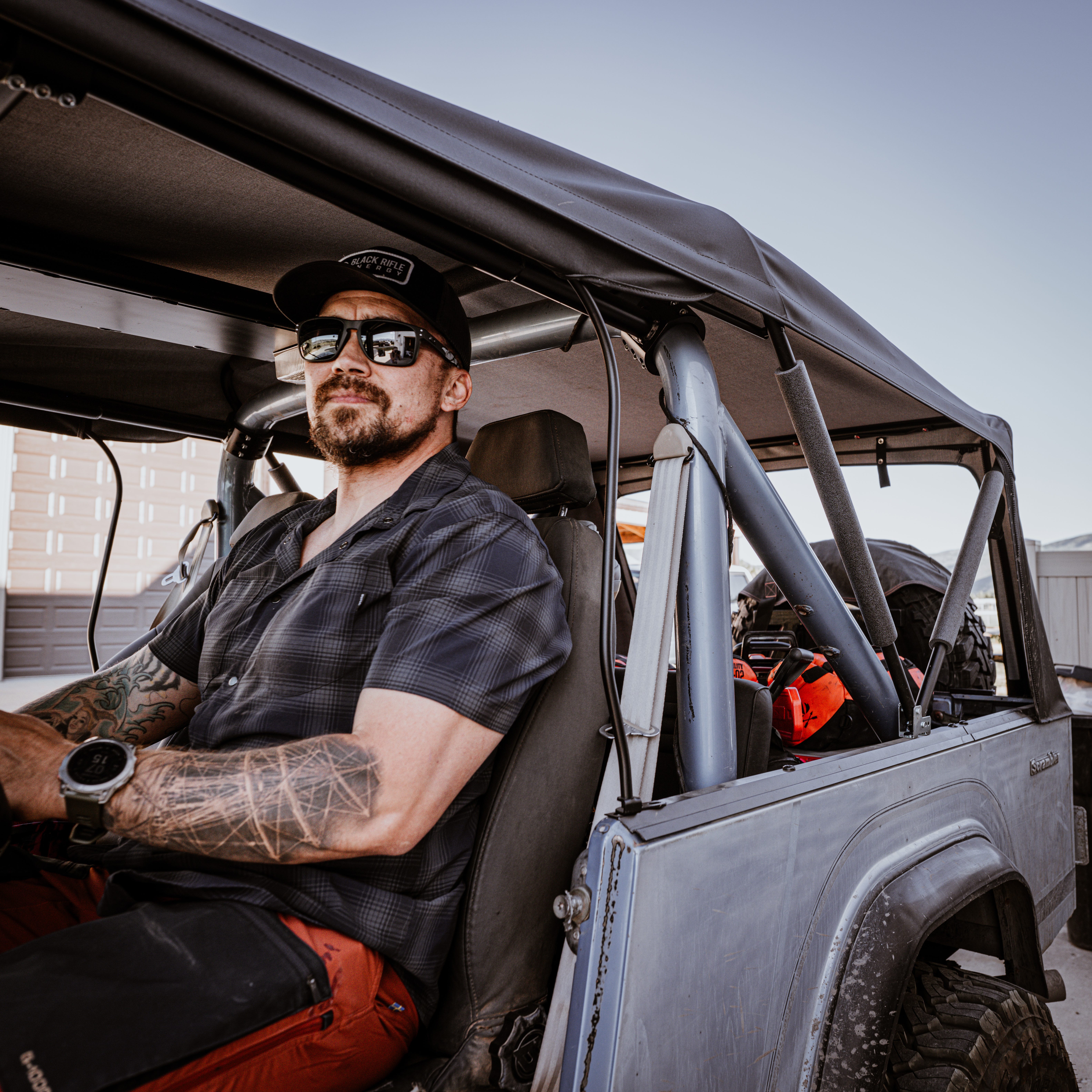
When people think about mobility, they usually focus on the vehicle itself. Bigger tires, locking differentials, suspension upgrades, recovery gear, and extra fuel dominate the conversation. While all of those upgrades have their place, they all assume one thing: the road still exists.
In reality, mobility often has less to do with what your vehicle is capable of and more to do with what is blocking your path.
Over the past year alone, I’ve encountered multiple situations where a single downed tree completely closed a roadway. None of these incidents occurred deep in remote wilderness. They happened on ordinary roads after storms and high winds. In one instance, I didn’t have a chainsaw with me, forcing me to spend considerably more time using only a winch to clear the obstacle. It worked, but it drove home an important lesson: recovery equipment cannot always replace the ability to remove the obstacle itself.
Preparedness is about preserving options. Mobility is one of those options.
Whether you’re trying to evacuate ahead of a wildfire, reach your family during a storm, access an injured person, or simply return home after severe weather, maintaining the ability to move can become the deciding factor between success and failure. A single tree across a road can stop an entire line of vehicles. To someone carrying the right equipment, it’s simply another problem to solve.
That doesn’t mean everyone needs to carry a professional-grade logging saw. It does mean we should start viewing chainsaws differently. They’re not just tools for cutting firewood or clearing property. They’re mobility tools. They restore access, create routes, and reduce dependence on waiting for someone else to clear the way.
Choosing the right platform depends largely on your mission. Gas-powered chainsaws generally offer longer runtime and unlimited refueling as long as fuel is available. They excel during extended operations and large clearing projects but require more maintenance and fuel management. Battery-powered saws have become remarkably capable over the last several years. They start instantly, require very little maintenance, run quieter, and are often better suited for occasional use or keeping in a vehicle. Their primary limitation remains battery capacity, making spare batteries an important consideration.
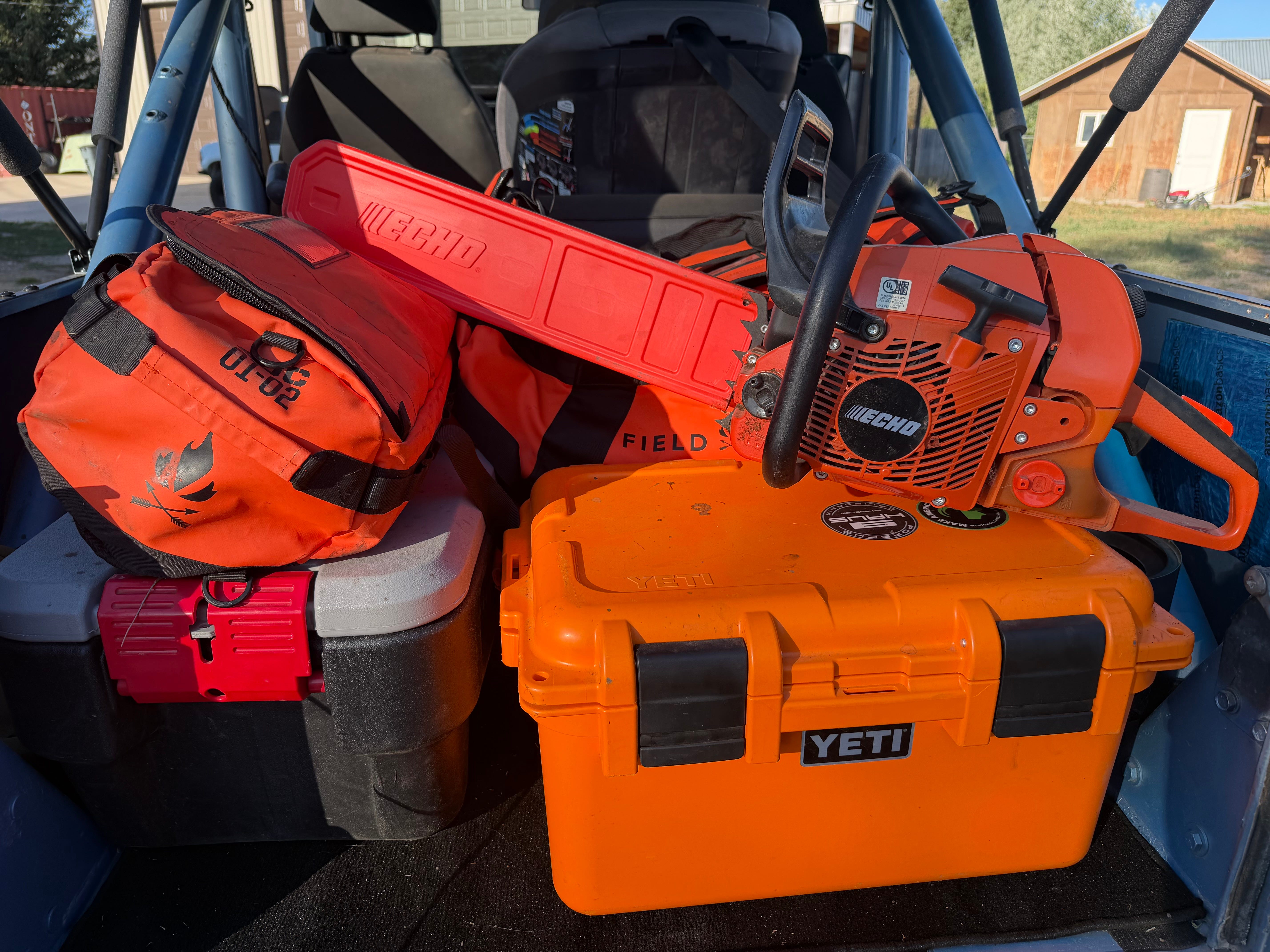
Regardless of which platform you choose, a chainsaw is only as effective as the operator behind it. Proper training, routine maintenance, sharp chains, personal protective equipment, and understanding how trees behave under tension are all essential. Improper cutting techniques can quickly turn a useful tool into a dangerous one.
Preparedness is often measured by the equipment we own. Real preparedness is measured by the problems we can solve.
A chainsaw may spend months riding in the back of your vehicle without being used. But the day a storm, wildfire, or wind event blocks your only route home, it has the potential to become one of the most valuable tools you carry.
Mobility isn’t just about getting through difficult terrain. Sometimes it’s about creating the path that no longer exists.
I always have my twin sons driving ahead if me in their truck! 😎😎
and a tow strap/chain to move those logs!!!! saves your back ! great post Mike