
Live More Often

I watched a documentary recently where a man with stage four lung cancer said something that stopped me in my tracks.
“I’ve been so lucky to be sick this long.”
Most people would hear that and think it sounds insane. Lucky to be dying? Lucky to be sick?
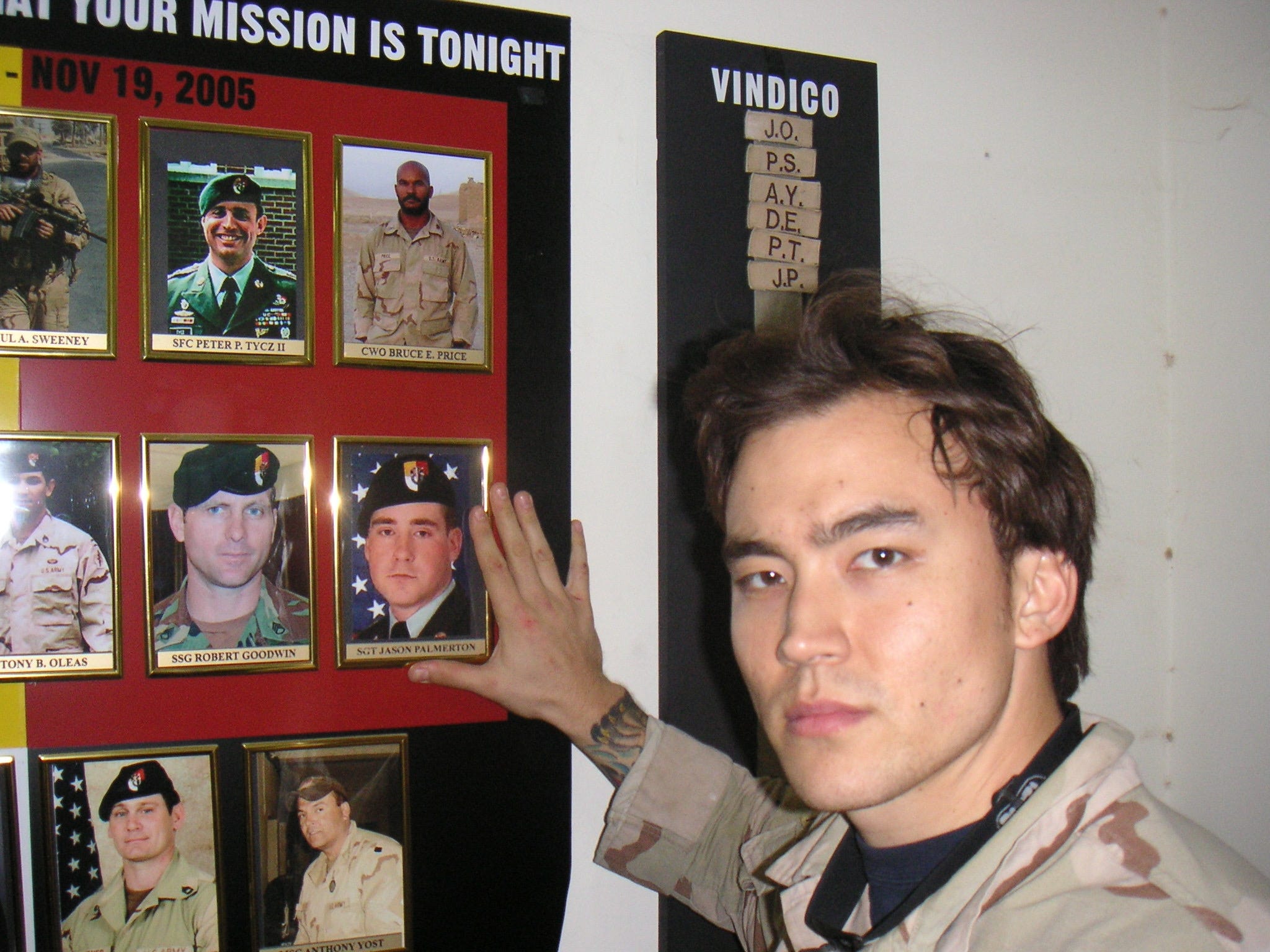
But if you’ve spent time around death, you understand exactly what he meant.
My professional career in the military put me in places where death wasn’t theoretical. It wasn’t something that happened to “someone else” someday in the distant future. It was real, immediate, and sometimes sitting right next to you in the passenger seat.
Over four years of combat I lost friends. Brothers. Men I trained with, deployed with, laughed with. Men who had families waiting for them at home.
I’ve had the unfortunate, or maybe fortunate, experience of holding a teammate as he died in my arms. That moment never leaves you. It becomes part of your operating system whether you want it to or not.
Experiences like that burn something into your perspective.
You realize very quickly that life is not guaranteed. Not tomorrow. Not next week. Not even the next hour.
But something strange happens when you live close enough to death to see it clearly.
Instead of becoming more afraid of life, you become more grateful for it.
When you know how fragile it is, the ordinary things suddenly stop being ordinary.
A quiet morning with coffee.
A hug from your kids.
A phone call with your mom.
A walk outside in the cold air.
These things stop feeling small.
They start feeling like miracles.
The problem for most of us is that modern life does an incredible job of insulating us from mortality. We spend most of our days distracted by noise, outrage, politics, social media, and the endless chase for more.
More money.
More followers.
More recognition.
More success.
But none of those things matter very much when you’re sitting across from a doctor who tells you that your time is limited.
Suddenly the scoreboard changes.
What matters becomes painfully simple.
Did you love your family well?
Did you use the time you were given?
Did you live with courage?
Did you serve others?
The strange thing about proximity to death is that it sharpens your focus on life.
It strips away the nonsense.
It reminds you that the time you’ve been given is not something you earned. It’s something you were entrusted with.
Scripture reminds us of this perspective in a way that cuts straight to the point:
“Teach us to number our days, that we may gain a heart of wisdom.”
Psalm 90:12
Number our days.
Not in a morbid way. Not in fear.
But in awareness.
When you understand that your days are numbered, you start to treat them differently. You waste less time on things that don’t matter. You stop letting bitterness and resentment eat away at years of your life.
You start choosing gratitude more often.
You start noticing the small blessings that used to slip past you unnoticed.
You hug your kids longer.
You call your friends.
You forgive faster.
You speak truth even when it’s uncomfortable.
And you start living like the clock actually means something.
Most of us will never hear a terminal diagnosis that forces us to confront our mortality head-on.
But we don’t need one.
All we have to do is pay attention.
Every graveyard we pass.
Every obituary.
Every soldier whose boots never made it home.
They are reminders.
Not just of loss, but of urgency.
Life is short.
But it is also unbelievably rich if we have the perspective to see it.
That man in the documentary understood something most people miss.
Being close to death didn’t rob him of gratitude.
It gave it to him.
And maybe the real challenge for the rest of us is learning how to live with that same clarity without having to stand at death’s doorstep first.
Thank you for putting this out there. We all need a reminder from time to time. God bless you brother.
Beautiful essay Mike, so well said.